Selge: A Pisidian City Hidden Above the Canyon
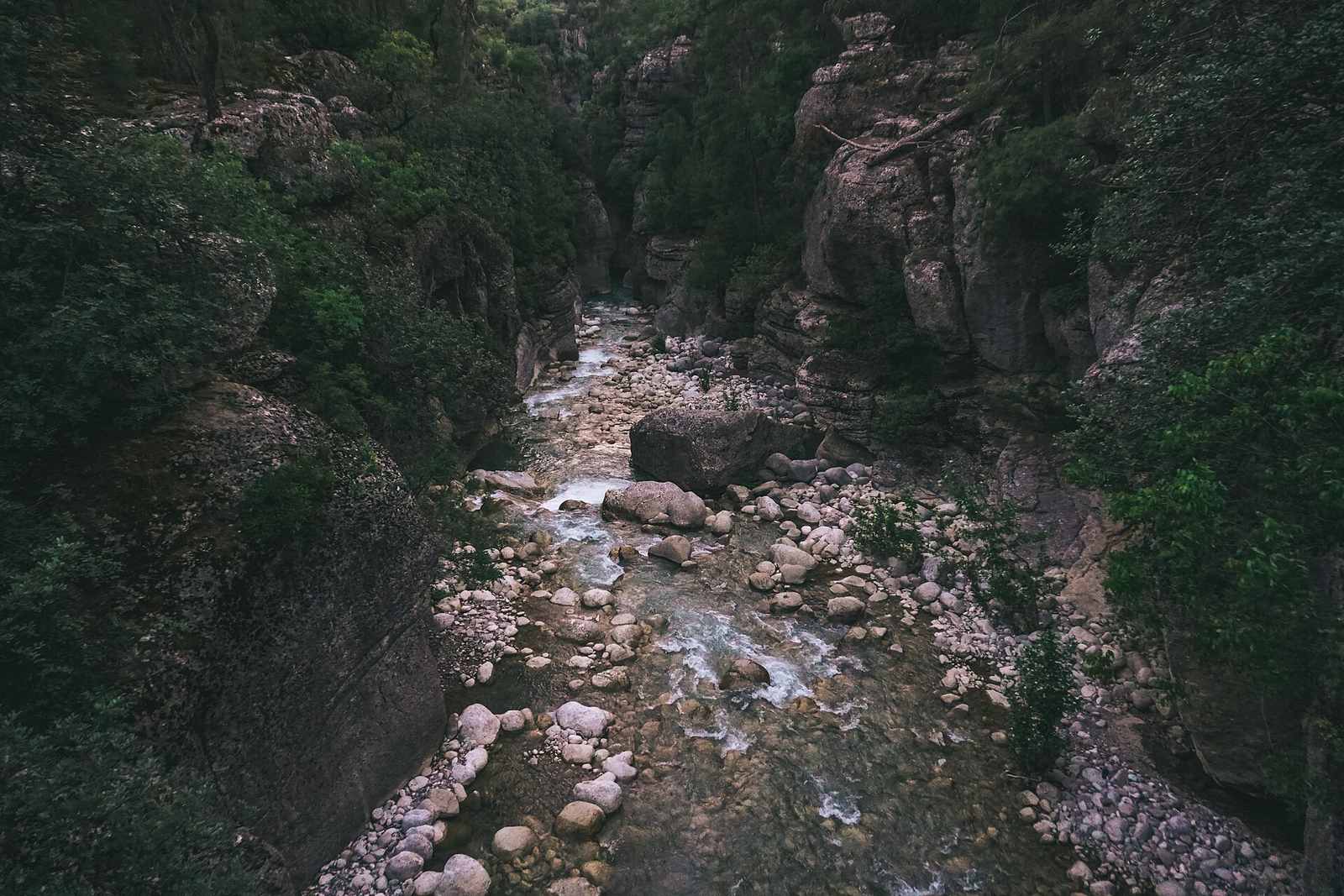
High on a remote mountain plateau above Köprülü Canyon, the ruins of ancient Selge occupy one of the more evocative and least-visited archaeological sites in the Antalya region. Selge was once a major city of ancient Pisidia, prosperous enough to mint its own coinage and confident enough in its mountain defenses to resist outside domination for long periods of its history. Today, its ruins sit scattered across the plateau near the modern village of Altınkaya, reachable only by a winding mountain road that climbs steeply away from the Köprüçay river below — a journey that itself keeps visitor numbers low.
A City Built for Defense
Selge's location was no accident. Perched high above the gorge on defensible terrain, the city controlled a strategic position over the surrounding mountains and the river crossings below, which historians credit with helping it maintain a degree of independence even during periods when larger regional powers dominated the wider area. The same terrain that made Selge hard to conquer also makes it a genuinely striking place to visit today — the ruins are framed by pine-forested slopes and long views across the Taurus foothills, a very different atmosphere from the coastal ruins most visitors to Antalya see.
The Rock-Cut Theatre
The centerpiece of Selge's surviving ruins is its theatre, cut into the natural slope of the hillside in a style typical of ancient Anatolian cities, with a substantial portion of the seating rows (cavea) still intact. Unlike the grand, fully restored Roman theatre at nearby Aspendos, Selge's theatre remains largely unrestored and quiet — visitors can walk freely among the weathered stone seating, imagining performances staged here more than two thousand years ago, without crowds or barriers. The setting alone, with mountains rising behind the stage area, makes it one of the more photogenic ancient theatres in the region.
Temples, Stadium, and City Walls
Beyond the theatre, Selge's plateau holds the scattered remains of temples, a stadium, and sections of the ancient city walls, though much of this is in a ruined, overgrown state rather than fully excavated and labeled. This is part of Selge's particular appeal for travelers who enjoy exploring ruins in something closer to their natural, undisturbed state — there's a genuine sense of discovery in tracing wall foundations through the modern village and surrounding fields, rather than following a fully signposted archaeological park.
Getting to Selge
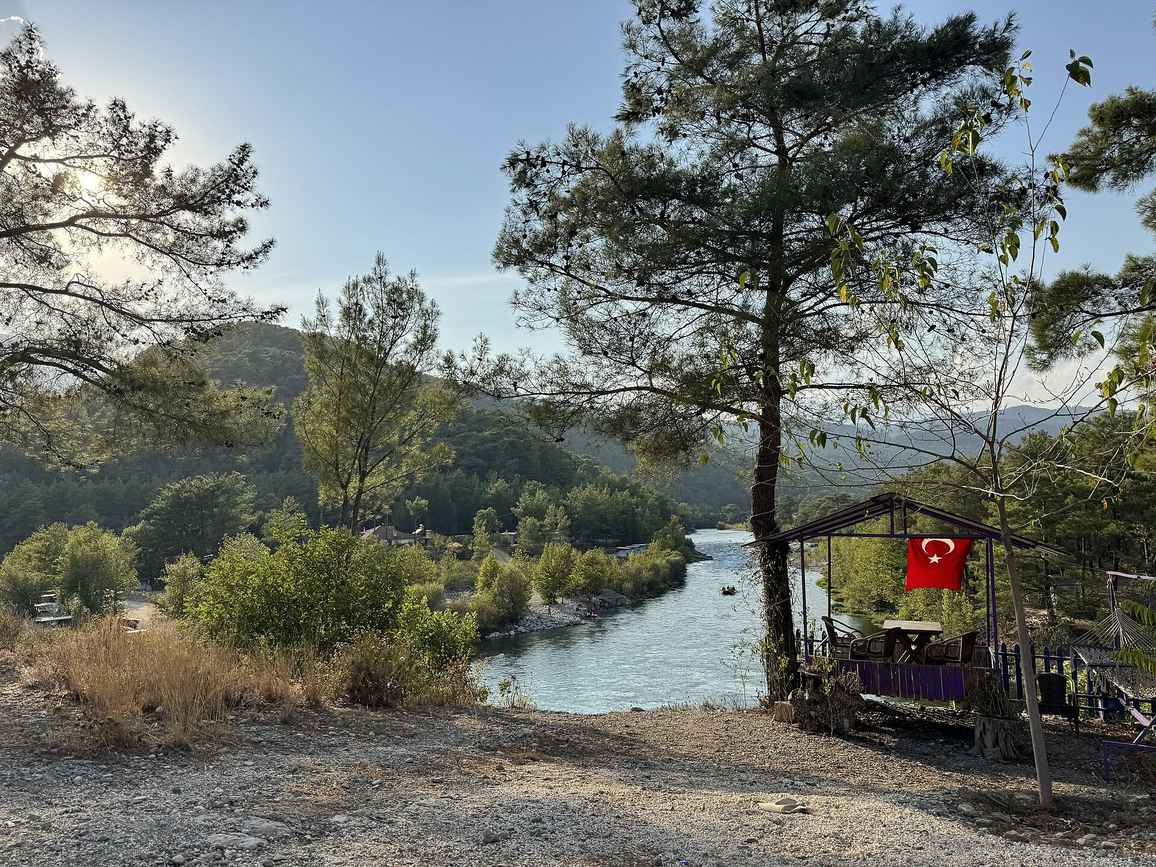
Reaching Selge requires more effort than most Köprülü Canyon activities, since it sits well above the main rafting section of the gorge, accessed via a steep, winding road up to Altınkaya village. Most visitors arrive by rental car or taxi from the Köprülü Canyon area, or as part of a dedicated tour that specifically covers the ancient city rather than the standard rafting day trip. The road itself, while paved, involves switchbacks and steady climbing, so it's worth allowing extra time and driving carefully, especially if combining the visit with a rafting day lower in the canyon. See our how to get there guide for the fuller route breakdown from Antalya.
Combining Selge With a Rafting Day
Because Selge sits apart from the main rafting stretch and requires a separate climb, most standard rafting-focused day trips from Antalya, Side, or Belek do not include it as standard. Travelers specifically interested in the ancient city should look for tours that explicitly combine rafting with a Selge excursion, or consider a separate half-day trip focused purely on the ruins. Our things to do guide breaks down how to structure a visit that covers both the river and the ancient city if time allows.
Best Time to Visit Selge
Because Selge sits at elevation and involves an exposed walk across the ruins with little shade, the cooler parts of the day — morning or later afternoon — are the most comfortable times to explore, particularly across the hot summer months. Spring and autumn offer milder temperatures for the climb and the walk among the ruins, similar to the broader seasonal pattern for the national park. See our best time to visit guide for how Selge fits into the wider seasonal picture alongside rafting.
Why Selge Stands Apart From Other Antalya Ruins
Antalya province is dense with ancient sites — Aspendos, Perge, Side, Termessos — but most sit close to the coast or on well-traveled routes with steady visitor traffic. Selge's remote mountain setting above Köprülü Canyon keeps it distinctly quieter, offering travelers who've already seen the region's headline ruins a chance to explore an equally significant Pisidian city without the crowds. For history-minded visitors building a longer Antalya itinerary, Selge is a worthwhile detour precisely because so few other travelers make the climb.
Practical Tips for Visiting
Wear sturdy footwear, since the ruins are spread across uneven, natural terrain rather than paved paths, and bring water and sun protection, as shade is limited across much of the site. There is generally no formal ticket booth or visitor center at Selge in the way there is at more developed archaeological parks, so check current access conditions with a local operator or your accommodation before setting out, particularly outside peak season. Combine the visit with lunch in Altınkaya village if available, or plan around a rafting or canyon day lower down for a fuller Köprülü Canyon itinerary — see our tours guide for operators offering combined Selge and rafting excursions.