A visually varied destination
Few places in Turkey offer such distinct visual moods within a few kilometers of each other: overgrown ancient ruins under forest canopy, an open pebble beach meeting the Mediterranean, rustic wooden tree houses tucked into pine trees, and — after dark — real flames burning out of bare rock. This gallery page collects the range of scenes worth photographing across Olympos and the Chimaera, with tips on timing and framing for each.
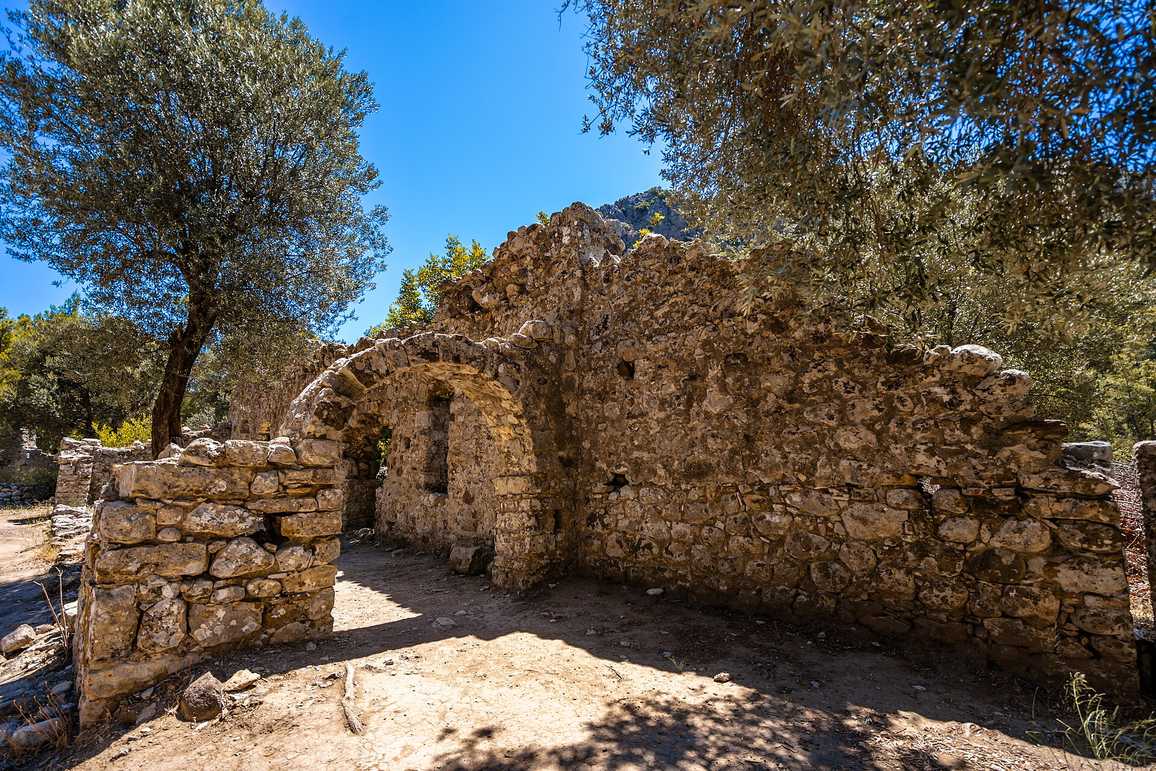
The ruins of Olympos are best photographed in the softer, angled light of morning or late afternoon, when shadows pick out the texture of carved stone and the surrounding fig and pine trees frame the scene naturally. The rock-cut tomb facade near the harbor end of the site is one of the most striking single subjects in the entire area, especially when the low sun rakes across its carved surface.
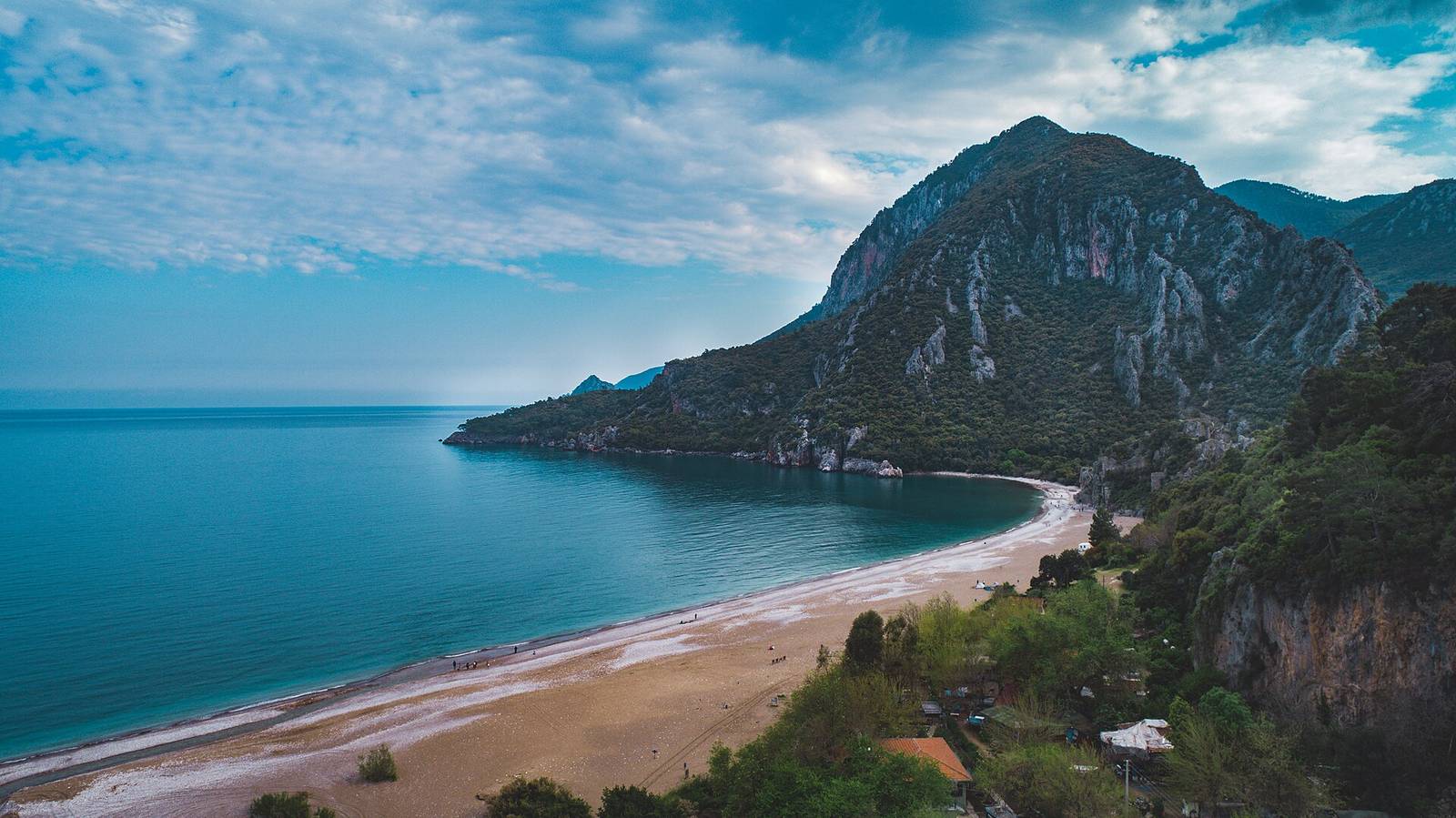
The beach offers a different kind of shot entirely: wide, open, and framed by mountains on one side and open sea on the other. Early morning light, before the beach fills up, tends to produce the calmest water and the cleanest compositions, while late afternoon brings warmer tones that suit the pebble shoreline and pine-covered hills behind it.
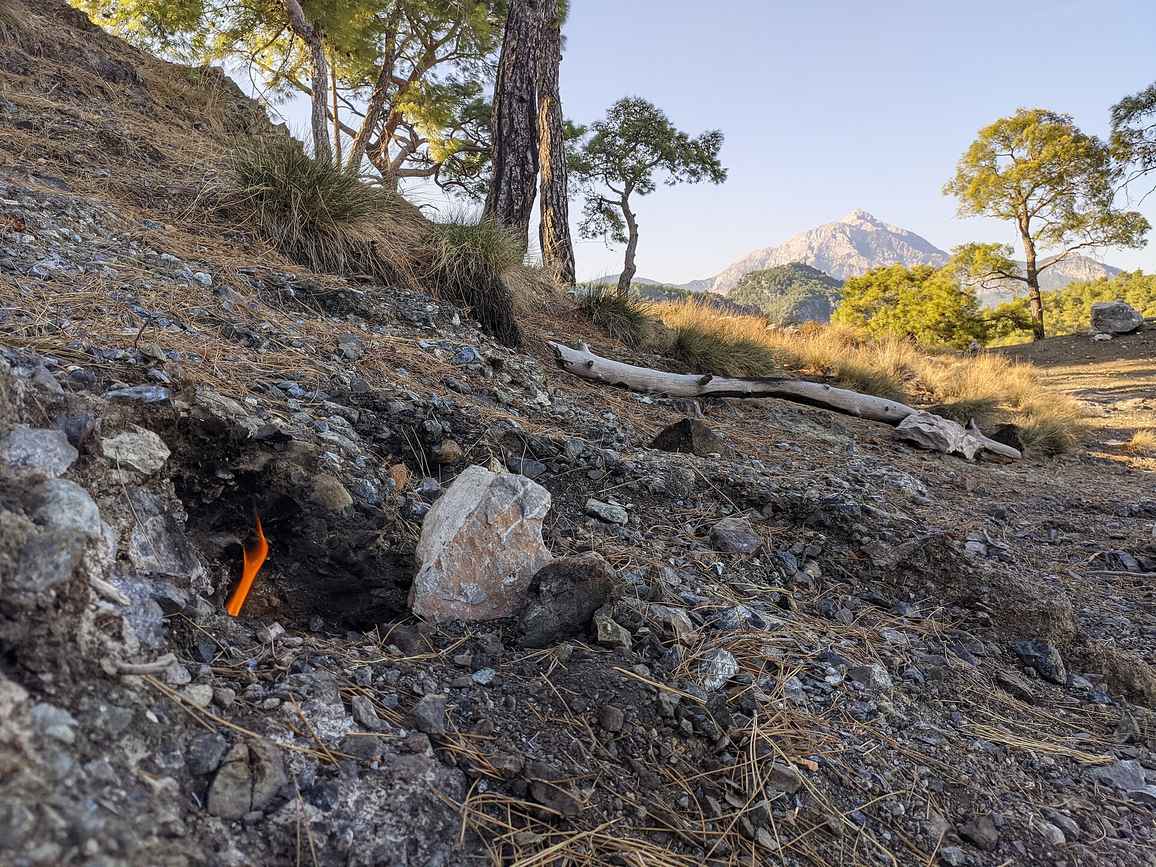
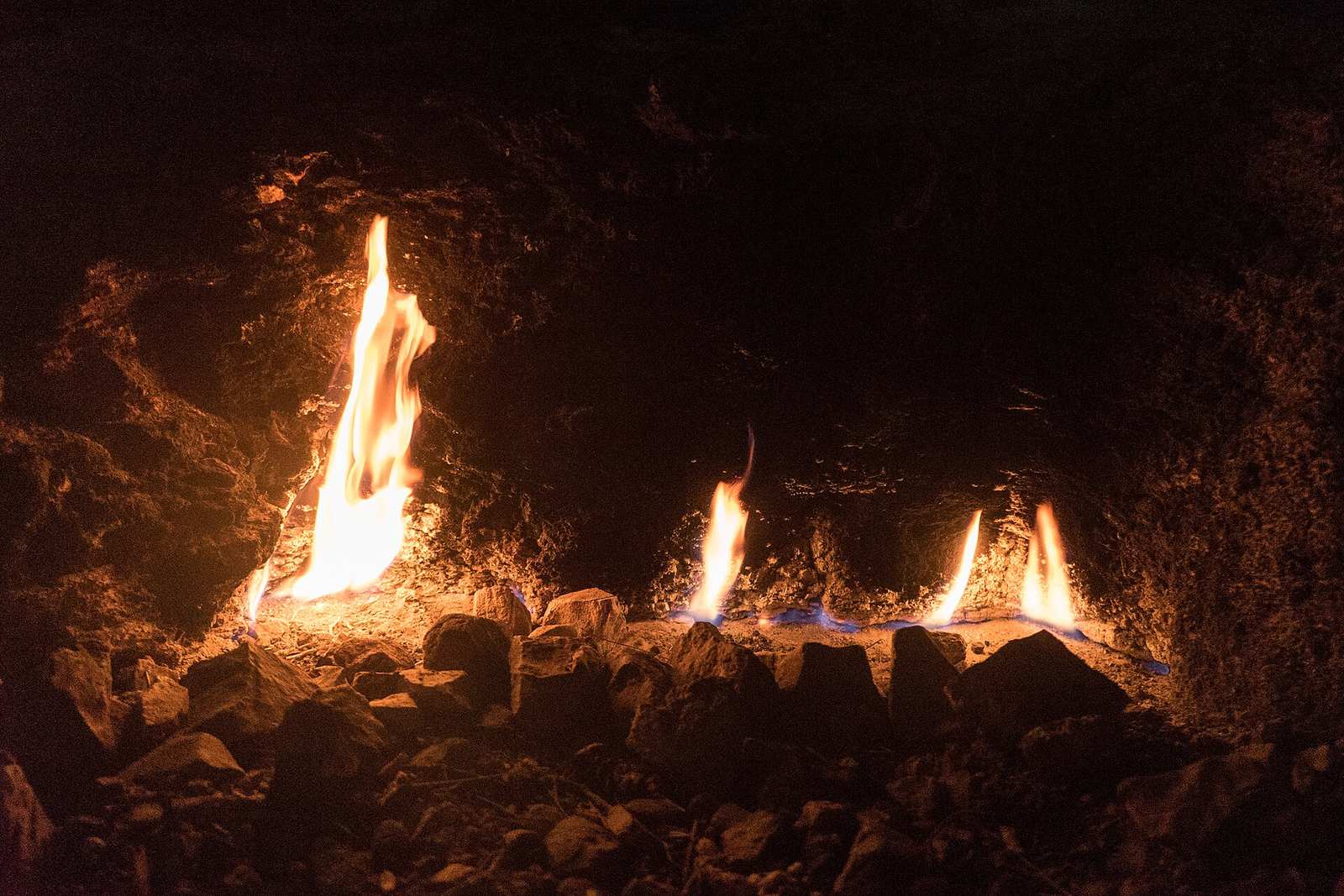
The single most in-demand photograph from this area is the Chimaera's flames at night — small, scattered points of real fire glowing across a dark rocky hillside. The blue-hour window just after sunset, when the sky still holds some ambient color, tends to produce the most balanced results, combining a still-visible landscape with vividly glowing flames. A stable tripod and a longer exposure help capture the flicker and motion of the fire itself.
Tree-house pensions make for atmospheric, character-driven photographs, particularly in the dappled light that filters through the surrounding pine canopy. Hammocks strung between trees, wooden verandas, and the communal dining areas where guests share evening meals all capture the distinctive, laid-back character that defines accommodation in this area.
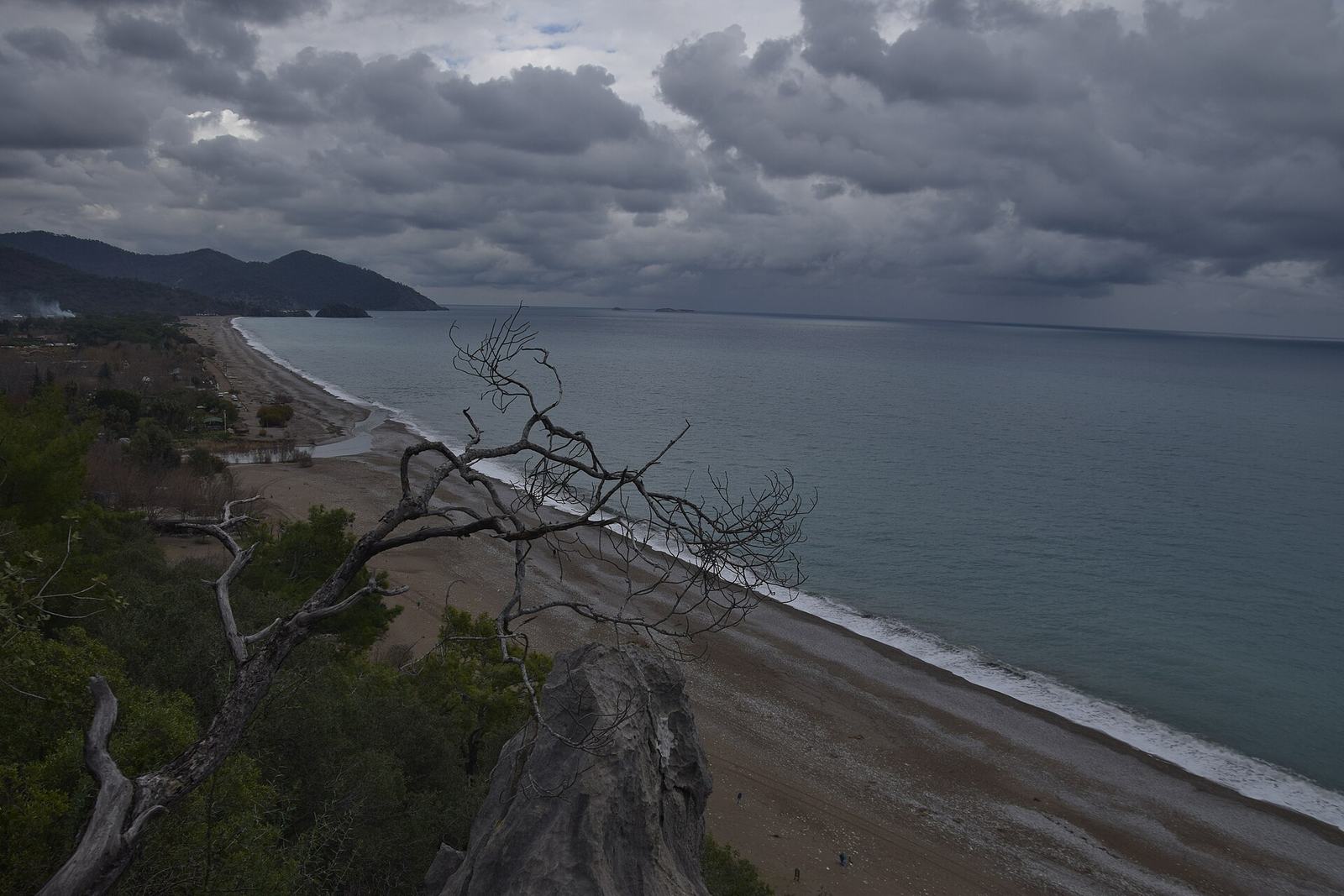
The walk up to the Chimaera itself, through pine and maquis scrub on a stone-paved path, is worth photographing on its own terms — particularly the transition points where forest opens onto bare rock, giving a strong visual sense of the landscape shift that produces the flames.
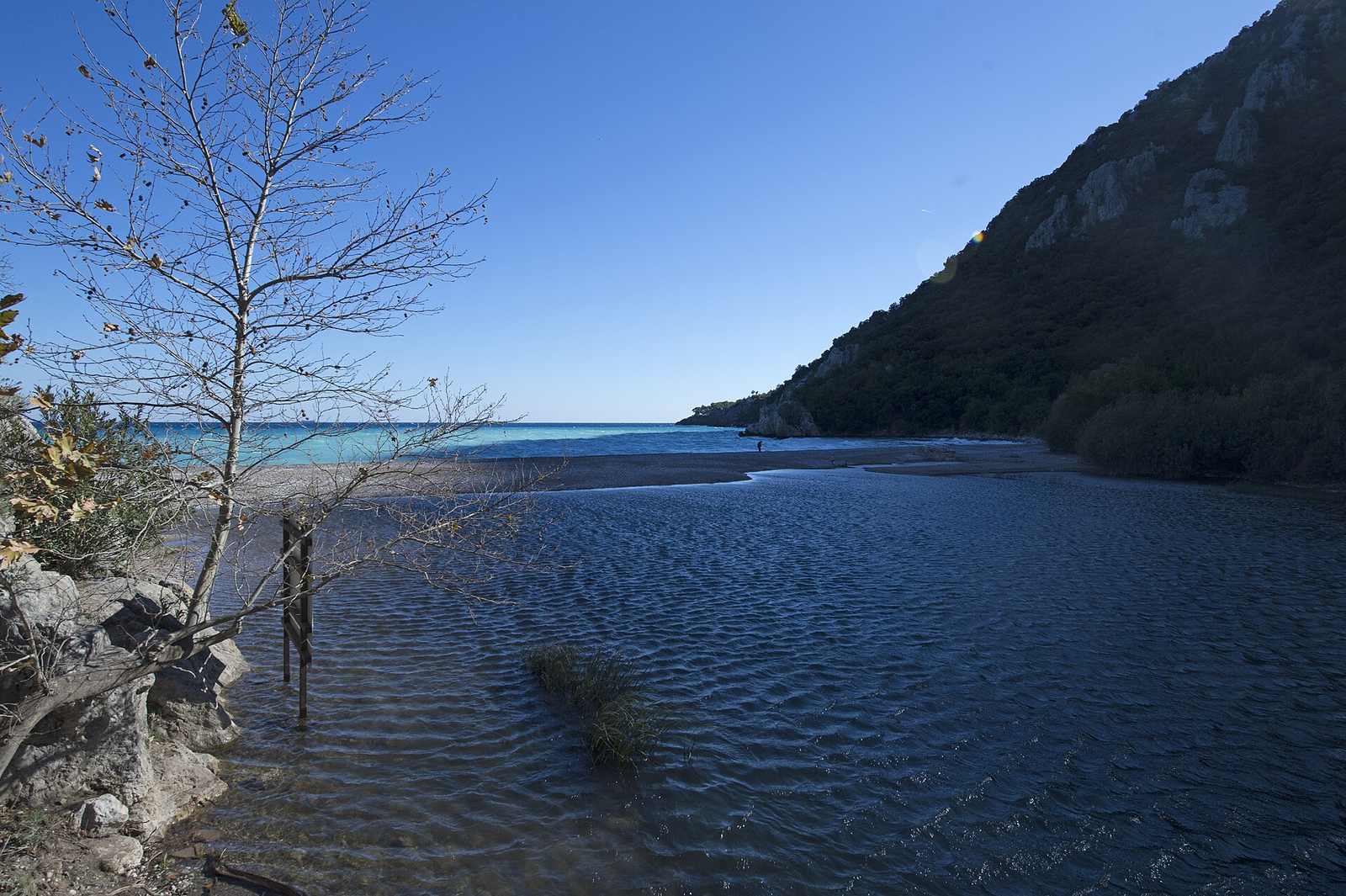
Finally, the point where the river valley meets the sea — ruins on one side, open beach on the other — captures the essential character of the whole area in a single frame, and is a natural closing or opening shot for anyone documenting a visit here.
Tips for photographing the Chimaera flames
Photographing the flames well takes a little more preparation than a typical daylight landscape shot. A tripod or other stable support makes a significant difference given the low light, and a moderate ISO combined with a longer shutter speed captures the flames' movement more naturally than a fast exposure that freezes them into static points. Arriving a little before full darkness, during the blue hour, generally produces the most balanced images, since it preserves some visible landscape detail around the glowing flames rather than photographing them against total black. A headlamp or flashlight is essential for navigating the rocky terrain safely once you're done shooting, since the walk back down happens in genuine darkness.
Practical and permit notes
Drone photography in Turkey is subject to regulation, and rules can be stricter near protected national park land, archaeological sites, and areas with concentrated visitor numbers such as the Chimaera flame field. Anyone planning to fly a drone should check current national and local rules in advance and avoid flying over crowds, the ruins, or the flame area without appropriate permission. Standard handheld and tripod photography is unrestricted at all the locations covered here.
Where these photos fit
This gallery pairs naturally with the rest of the Olympos and Chimaera pillar: read the chimaera flames guide for the full myth and walk details behind the night photographs above, the ancient city guide for historical context on the ruins, and the beach guide for more on the coastline itself. For trip planning, see the overview or jump to our tours page for guided options that include the evening flame visit.
Best seasons for photography
Light and atmosphere change considerably across the year here. Spring brings fresh greenery through the ruins and clear air for wider landscape shots, while the drier haze of high summer can soften distant mountain backdrops in daytime photographs. Autumn light tends to be particularly warm and forgiving for both the beach and the tree-house pensions, and quieter crowds make it easier to frame the ancient city without passersby in every shot. Whatever season you visit in, the Chimaera's flames remain the one subject that photographs consistently well year-round, since their appeal comes from darkness and fire rather than daylight conditions — see our best time to visit guide for how season affects the rest of the experience.