Rafting the Köprüçay: Turkey's Classic White-Water Run
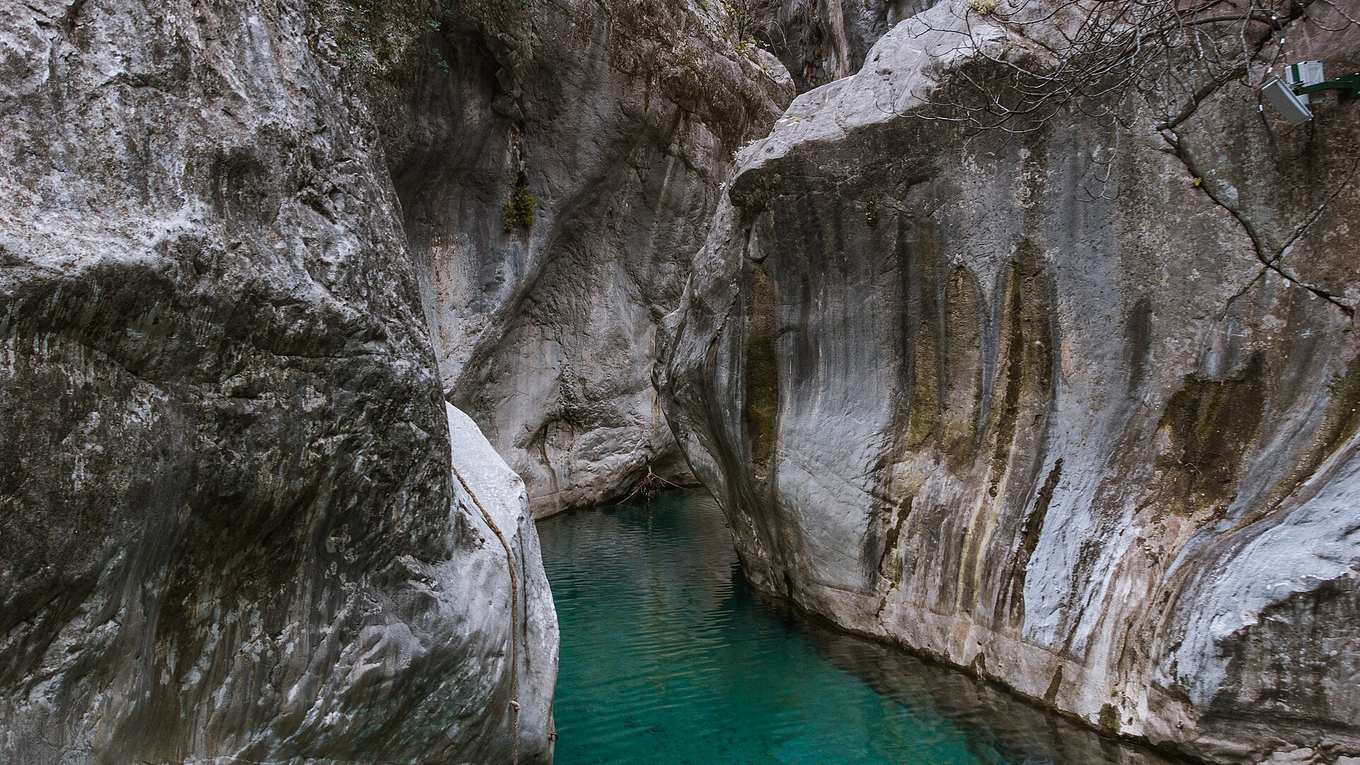
Rafting on the Köprüçay river through Köprülü Canyon is the single biggest reason travelers make the trip inland from Antalya's beach resorts, and it has earned the canyon its reputation as Turkey's premier white-water destination. The classic run covers roughly 14 km of the gorge, moving through a mix of flat, scenic stretches and lively grade II–III rapids, all framed by towering limestone walls and cypress forest. It's a genuinely thrilling few hours on the water without tipping into territory that requires prior experience.
Understanding Grade II–III Water
International river grading runs from grade I (calm, flat water) up through grade VI (unrunnable). Köprülü Canyon's classic stretch sits at grade II–III, meaning moderate rapids, some standing waves, and a current strong enough to feel exciting, but predictable enough that a guide and basic paddling instructions are all most people need. This is a deliberate feature of the run rather than a limitation — it's precisely why the canyon works so well as a one-day activity for mixed groups of ages and experience levels, from teenagers to grandparents, rather than a specialist trip for hardcore paddlers only.
What a Typical Rafting Day Includes
Nearly every visitor experiences Köprülü Canyon rafting as part of a packaged day trip rather than an independent booking, and most packages follow a similar structure:
- Hotel pickup from Antalya, Side, Belek, or Alanya in the morning.
- Safety briefing and gear fitting — helmet, life jacket, and paddle, plus a rundown of basic commands and river safety.
- The rafting run itself — around two hours covering the 14 km stretch, with guides steering each raft through the rapids and calmer sections alike.
- Riverside lunch, often included, served at a shaded restaurant platform along the Köprüçay.
- Free time or a short walk near the river or the historic Oluk Bridge, depending on the operator's schedule, before the return transfer.
See our tours guide for how different operators structure the day and what varies between packages.
Safety and Who Can Go
Rafting operators on the Köprüçay are experienced with the grade II–III conditions and equip every participant with a helmet and life jacket as standard. Guides typically ride in each raft, steering and calling instructions rather than leaving groups to navigate alone. Most operators set a minimum age (commonly around 6–8 years old, though this varies by company and water conditions) and ask that participants be reasonably comfortable in water, but swimming ability beyond basic comfort isn't usually required since flotation gear is provided throughout. Always confirm current age minimums and any health restrictions directly with your chosen operator before booking, particularly for young children or travelers with mobility or health concerns.
Why the Water Stays Cold
The Köprüçay is fed largely by mountain springs and snowmelt draining off the surrounding Taurus foothills, keeping the water noticeably cold even during the height of the Mediterranean summer. That contrast — hot sun on the canyon walls, icy water underfoot and around the raft — is part of the appeal, and it's also why water levels and rafting conditions shift meaningfully across the season. See our best time to visit guide for how spring, summer, and autumn compare for rafting.
What to Bring
Pack quick-dry swimwear or shorts and a top you don't mind getting soaked, along with secure water shoes or sports sandals rather than flip-flops, which can easily wash away. A change of dry clothes for after the run and lunch is essential, along with sun protection — sunscreen and a hat for the transfer and any time spent out of the water — since the Mediterranean sun is strong even when the river itself feels cold. Waterproof bags or phone cases are worth bringing if you want to capture photos on the water, though many operators also offer professional photo packages of the rafting run itself.
Rafting Season and Water Levels
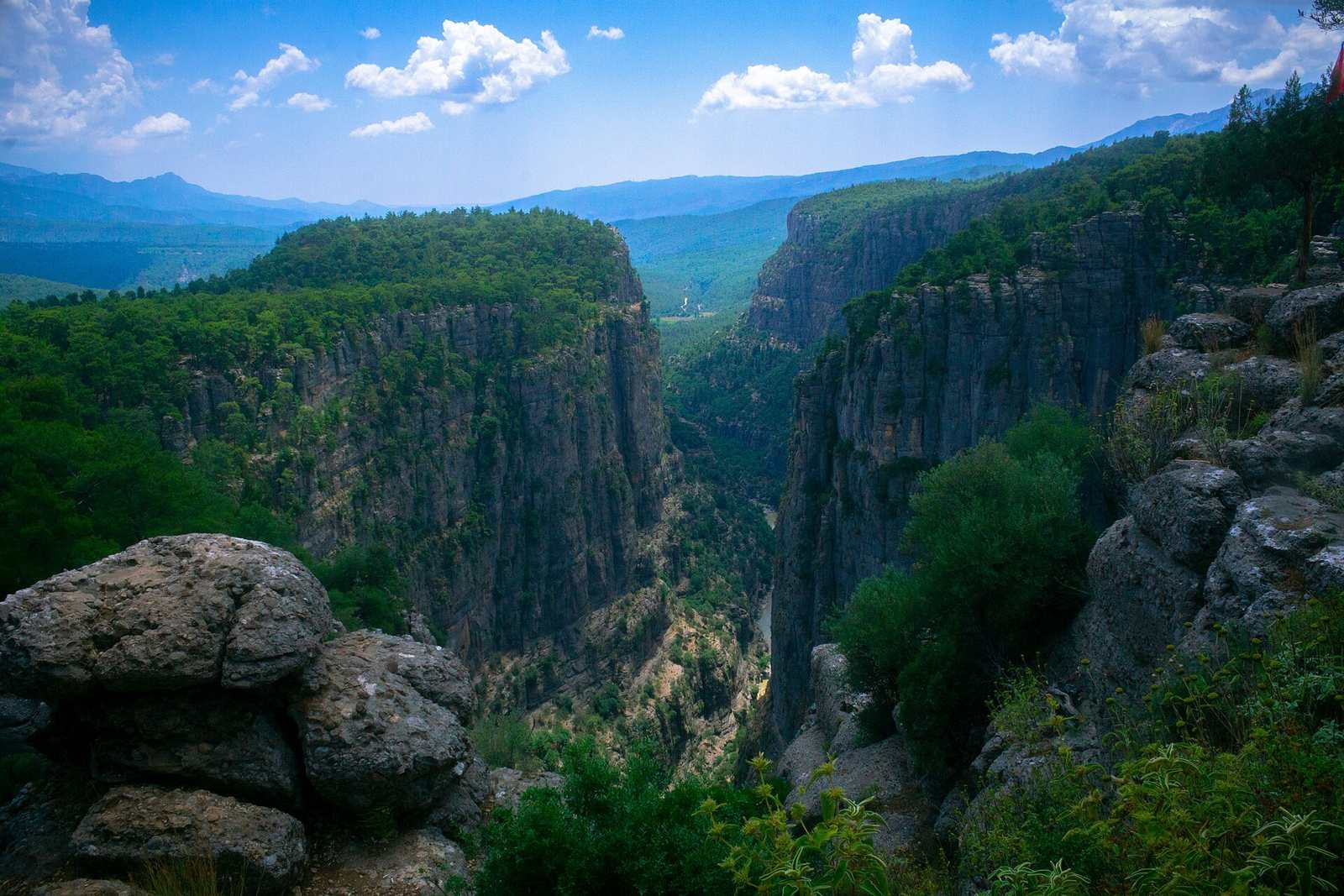
Rafting runs from April through October, tracking the broader seasonal window for the whole national park. Spring (April–May) typically brings the highest, coldest water from snowmelt, delivering a livelier run for those who don't mind the extra chill. By midsummer, water levels ease somewhat while air temperatures climb, making the cold river especially welcome. Early autumn (September–October) often offers a good middle ground — still warm enough on land, with the crowds of peak July and August starting to thin. Outside April–October, rafting operations generally pause or scale back significantly, so confirm current availability with operators if you're considering a shoulder-season visit.
Booking Your Rafting Trip
Because Köprülü Canyon rafting is almost universally sold as a packaged experience with transport, gear, and guiding included, the simplest way to book is through an established tour operator rather than arranging river access independently. Book a Köprülü Canyon rafting tour that includes hotel pickup from Antalya, Side, Belek, or Alanya, the full rafting run, safety equipment, and typically a riverside lunch, so the whole day is handled from pickup to drop-off.
Combining Rafting With the Rest of the Park
Many rafting day trips build in time to see the Roman Oluk Bridge near the river, though reaching the more remote ruins of ancient Selge on the plateau above usually requires a separate, dedicated excursion given the distance and access road. If you want to combine rafting with a broader look at the national park's historic and natural sites, check our things to do guide for how to structure a longer visit beyond the standard rafting day.